
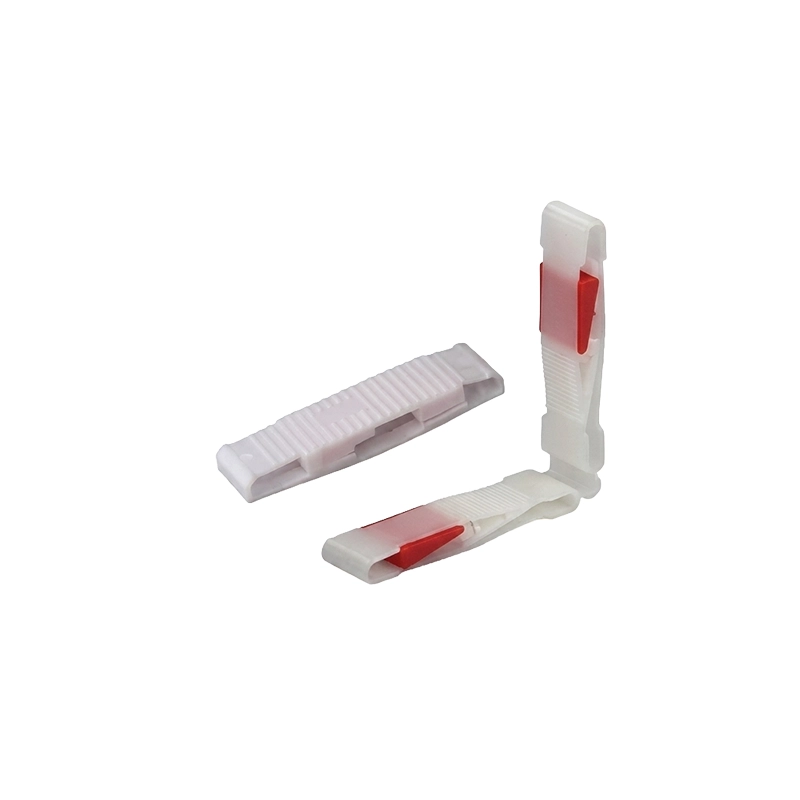
Glazing Packer
Description
What Is a Glazing Setting Block in Double-Glazed Windows?
A glazing setting block, also known as a glass packer or glass support block, is one of the key components in the installation and assembly of double-glazed units. It plays an important role in glass alignment, restraint, load distribution, and maintaining the standard clearance between the glass and the frame. Although small in size, this highly important component acts as an engineered interface between the glass and the window profile, ensuring that the glass is positioned correctly and is not subjected to uneven stress.
In the proper installation of double-glazed windows, not only the quality of the glass or profile matters; the use of complementary components such as setting blocks also has a direct impact on the final performance of the window. If the glazing block is selected correctly and installed in the proper position, it helps improve glass stability, thermal and acoustic insulation, prevents glass displacement, and increases the service life of the window.
Importance of Glazing Setting Blocks in Double-Glazing Installation
In double-glazed door and window systems, the glass must be positioned precisely within the frame so that its weight is transferred in a controlled manner and stress concentration on the glass edges and corners is avoided. Glazing setting blocks are designed exactly for this purpose. By creating a uniform gap and providing proper support, these components prevent direct and unreliable contact between the glass and the frame.
Using the right setting block offers several key advantages:
- Precise glass alignment inside the frame
- Even distribution of the glass weight across support points
- Reduced risk of cracking or breakage caused by stress
- Improved watertightness and airtightness performance
- Prevention of glass movement, looseness, and vibration
- Increased overall durability of the double-glazed window
How Does a Glazing Setting Block Work?
A glazing setting block is essentially a plastic spacer and support piece placed at specific points within the window frame. It ensures that the glass seats correctly in its proper position and creates a controlled gap between the glass and the frame. This gap is essential for the correct performance of gaskets, seals, and the waterproofing system.
In double-glazed windows, even the slightest error in glass positioning can lead to issues such as sash sagging, reduced closing quality, excessive pressure on the hardware, and lower insulation efficiency. By correcting the seating position of the glass, the setting block helps control these problems to a great extent.
Technical Specifications of a Glazing Setting Block
The exact specifications of a glazing setting block vary depending on the type of window system, glass thickness, and application, but this component generally has the following characteristics:
content_copy
| Feature | Description |
|---|---|
| Product Name | Glazing Setting Block / Glass Support Block / Glass Packer |
| Application | Alignment, restraint, and spacing of glass inside the window frame |
| Material | Durable engineering plastic |
| Material Properties | Adequate strength, resistance to pressure, moisture, and temperature changes |
| Installation Location | Under the glass, at the sides, top, and corners of the frame |
| Main Function | Load distribution, prevention of direct glass-to-frame contact, stabilization of glass position |
| Variants | Available in different thicknesses and dimensions depending on the type of glass and profile |
| Applications | Double-glazed windows, glazed doors, façades, and glass structures |
Technical and Functional Features of Glazing Setting Blocks
Precise glass alignment: One of the most important functions of a glazing setting block is to adjust the position of the glass inside the frame. If the glass is not properly aligned, the pressure applied to different parts of it will not be equal, which can impair window performance.
Proper load distribution: The weight of the glass, especially in larger sizes, must be distributed over specific engineered support points. By acting as support points, glazing blocks prevent unbalanced load transfer to the frame or the corners of the glass.
Improved insulation performance: For the sealing system, gaskets, and waterproofing elements of the window to function properly, the gap between the glass and the frame must be controlled and uniform. By maintaining this gap, the setting block helps optimize the thermal and acoustic performance of the window.
Prevention of stress and damage: Direct glass-to-frame contact or improper glass positioning can cause point stress, edge chipping, or even glass breakage. Using the correct glazing block reduces this risk.
Increased window durability: When the glass is properly supported, excessive pressure on the sash, hardware, and connections is reduced. Over the long term, this increases the service life of the window.
Best Installation Positions for Setting Blocks in a Window
The placement of glazing setting blocks in each system should be determined based on the opening type, glass dimensions, glass weight, and the technical guidelines of the system. However, the most common installation points usually include:
Bottom of the frame: The most common location for setting blocks is the bottom section of the frame. In this area, the block plays the main role in bearing the glass weight and transferring the load correctly to the window structure.
Sides of the frame: At the sides, glazing blocks are used to maintain lateral clearance, stabilize the glass position, and prevent horizontal movement. This is effective in preserving alignment and reducing vibration.
Top of the frame: In some systems, glazing blocks are also used at the top to provide better glass stabilization and control its final position.
Corners of the frame: At the corners, setting blocks can help improve load distribution and reduce stress concentration. This becomes even more important in larger windows or special systems.
Consequences of Improper Installation or Not Using Setting Blocks
Failure to use glazing setting blocks, or installing them incorrectly, can lead to serious technical problems in window performance. Some of the most important issues include:
Glass misalignment: If the glass is not positioned correctly, the gaps become uneven and both the appearance and function of the window are affected.
Reduced watertightness and airtightness: The absence of a uniform gap between the glass and the frame disrupts the proper function of gaskets and seals, increasing the possibility of air, dust, and moisture penetration.
Increased stress on the glass: When the glass weight is transferred unevenly, pressure becomes concentrated at certain points, increasing the risk of cracking or breakage.
Reduced hardware performance: In operable windows, improper glass seating can place extra pressure on hinges, espagnolette systems, and other hardware, potentially causing sash sagging.
Shorter window lifespan: A window whose glass is not installed correctly is more likely, over time, to suffer from malfunction, misadjustment, and the need for repair.
Types of Glazing Setting Blocks by Application
Glazing setting blocks may be classified according to application, thickness, dimensions, and installation position. The appropriate type must be selected according to the profile system, glass weight, and installation standard.
- Load-bearing setting blocks for carrying the main glass weight
- Spacer blocks for maintaining a uniform gap
- Positioning/stabilizing blocks for preventing lateral movement
- Blocks in various thicknesses for more precise glass adjustment
Setting Block Material and the Importance of Material Quality
The quality of the raw material used in manufacturing glazing setting blocks is highly important. This component must have sufficient resistance to mechanical pressure, temperature changes, moisture, and environmental wear. The use of high-quality engineering plastic ensures that the block does not deform, compress, become brittle, or lose performance over time.
A standard glazing setting block should have the following characteristics:
- Adequate compressive strength
- Dimensional stability over time
- Resistance to moisture and environmental conditions
- No adverse reaction with glass or sealing components
- Stable performance within normal ambient temperature ranges
Advantages of Using Standard Glazing Setting Blocks
- Proper and accurate installation of double glazing
- Reduced risk of stress-related glass breakage
- Improved acoustic and thermal insulation performance
- Increased glass stability within the frame
- Better performance of hardware and opening systems
- Longer window service life and reduced need for repair
Important Points When Purchasing Glazing Setting Blocks
When purchasing glazing setting blocks, paying attention only to the appearance of the part is not enough. The product must be selected based on the actual needs of the project and the technical specifications of the system. Please consider the following points:
- The thickness of the block must match the installation requirements and the actual gap between the glass and the frame.
- The dimensions of the block must be selected according to the weight and type of glass.
- The material quality must be suitable for long-term use.
- For different systems, a block compatible with the same structure should be used.
- In professional projects, the component should be selected with the advice of an installer or technical expert.
In What Projects Are Glazing Setting Blocks Used?
Setting blocks are not limited to only one type of window and are used in many glazed applications, including:
- UPVC double-glazed windows
- Aluminum windows
- Hinged doors and windows
- Fixed glazing and fixed windows
- Shopfronts and glass structures
- Residential, office, and commercial building projects
Why Is the Use of Setting Blocks Essential in Double-Glazed Windows?
At first glance, a glazing setting block may seem like a small and insignificant component, but in practice, it is one of the decisive elements in the final quality of glass installation. Without the use of a proper setting block, even the best glass and the highest-quality profile cannot deliver their true performance. This component effectively guarantees the correct seating of the glass, reduces stress, improves insulation, and increases the durability of the entire assembly.
Frequently Asked Questions
What exactly does a glazing setting block do?
It keeps the glass in the correct position inside the frame, distributes its weight properly, and maintains the standard gap between the glass and the frame.
Do all double-glazed windows need setting blocks?
Yes. In proper double-glazing installation, the use of glazing setting blocks or equivalent components is essential, because without them correct alignment, stability, and sealing cannot be properly achieved.
What happens if the wrong setting block is selected?
Incorrect selection can result in glass misalignment, uneven pressure, poor insulation performance, reduced hardware efficiency, and even glass breakage.
Are setting blocks installed only under the glass?
No. Depending on the system type and installation design, they may also be used at the bottom, sides, top, or corners of the frame.
Does the quality of the setting block affect window durability?
Yes. A low-quality block may gradually deform or lose its function, which directly affects the durability and performance of the window.
A glazing setting block in a double-glazed window is one of the essential components for proper glass installation. Its functions include glass alignment, load distribution, stress reduction, glass position stabilization, and improved sealing performance. Correct selection and proper installation of this component directly affect the final quality of the window, the durability of the structure, the performance of the hardware, and the energy efficiency of the building. If the goal is a standard and long-lasting double-glazed window installation, using a suitable setting block is a technical necessity.
For technical consultation, wholesale price inquiries, and ordering various types of glazing setting blocks and glass support blocks, contact the Alaks technical team now at 041-3109.
Related Products

© All material and intellectual property rights belong to Alaks Factory.